Trade lanes from the Americas to the Far East

Five regions, each with its own producers, import markets and freight patterns. These are the lanes we price, the ports we work with and the materials that usually move on them.

Americas

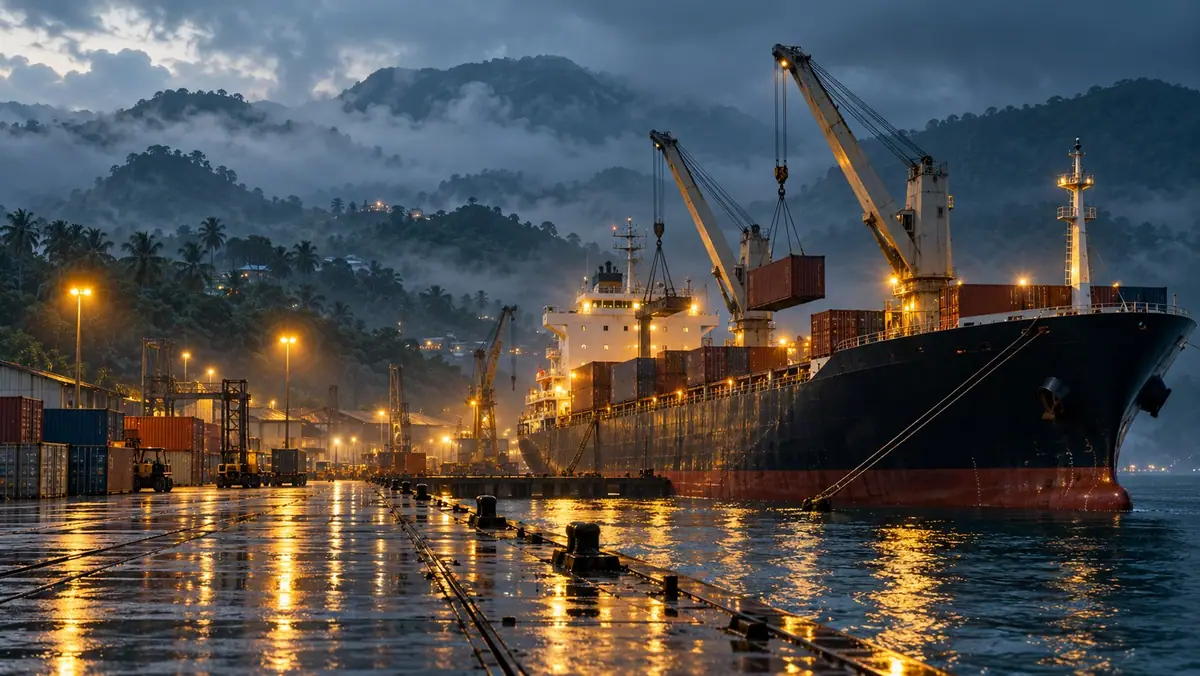
The Americas are both a supply base and an import market. Brazil and Mexico export steel, cement and ceramic tiles, while the Caribbean, Central America and the Andean countries import across almost every product group. Many island and smaller coastal markets buy by the container and value suppliers who can mix products. Long sailings from the Mediterranean and Asia make freight a large part of the landed price.

Ports

  • Houston
  • Veracruz
  • Santos
  • Cartagena
  • Callao

Products

  • Steel rebar and sections
  • Ceramics and sanitaryware
  • Pipes and fittings
  • Timber and boards
  • Atlantic and Pacific coasts need separate freight quotes; crossing through the Panama Canal adds cost and time.
  • Many Caribbean ports handle containers only, so breakbulk steel is often routed through larger regional hubs.
  • USD pricing is standard, and L/C is common for first trades with a new buyer.
Europe

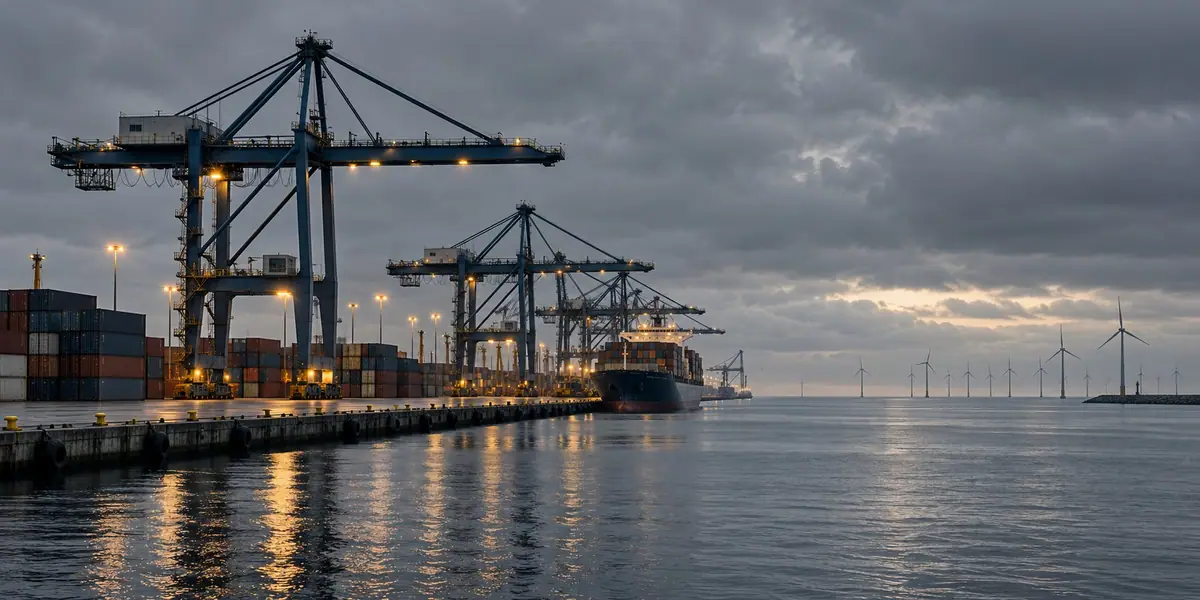
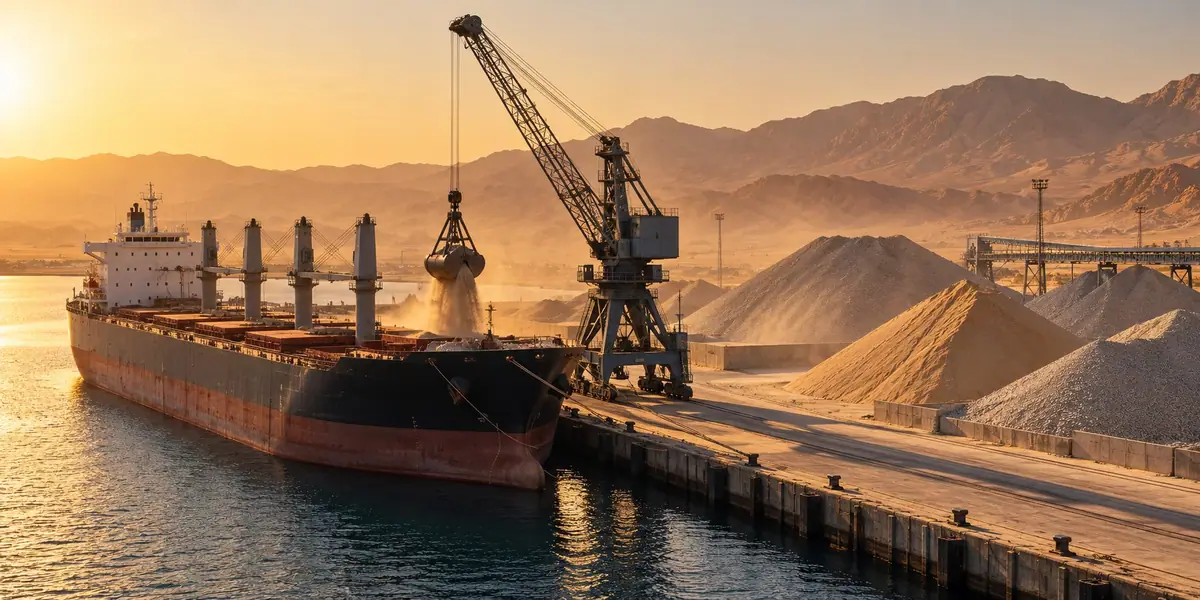
Europe sets many of the standards the rest of the world builds to, and it is both a buyer and a seller of construction materials. Turkish mills and plants supply steel, cement, tiles and glass on short Mediterranean and Black Sea sailings, while Spanish and Italian tiles and Nordic timber go out to markets in every region. Buyers inside the EU expect full conformity paperwork with each delivery.

Ports

  • Iskenderun
  • Ambarli
  • Rotterdam
  • Antwerp
  • Valencia

Products

  • Steel rebar and sections
  • Cement and binders
  • Ceramics and sanitaryware
  • Glass and aluminium
  • EU buyers usually require CE marking and a declaration of performance for construction products.
  • Turkish origin cargoes reach most Mediterranean ports within a short sailing.
  • Carbon border reporting applies to steel, cement and aluminium imported into the EU.

Middle East & Africa

The Gulf states, East Africa and West Africa import construction materials in volume for housing, infrastructure and commercial projects. Buyers range from large distributors to contractors buying for a single site. Payment on L/C and CAD is common, and the right port, berth and discharge terms matter as much as the purchase price. Our Dubai office works close to Jebel Ali, the region's main transhipment hub.

Ports

  • Jebel Ali
  • Dammam
  • Apapa (Lagos)
  • Mombasa
  • Djibouti

Products

  • Steel rebar and sections
  • Cement and binders
  • Ceramics and sanitaryware
  • Electrical and lighting
  • Gulf conformity marks and national standards apply to steel and cement in several GCC states.
  • West African ports can be congested, so we factor waiting time into freight and laytime terms.
  • Some markets require pre-shipment inspection by an appointed agency before goods can be cleared.

South Asia

South Asia combines large production with fast growing demand. Indian mills export pipes, steel, granite and ceramics; Pakistan exports cement; Bangladesh and Sri Lanka import clinker, steel and finishing materials. Short, frequent sailings to the Gulf and East Africa make the region a competitive origin on freight for buyers on the Indian Ocean.

Ports

  • Nhava Sheva
  • Mundra
  • Karachi
  • Chittagong
  • Colombo

Products

  • Pipes and fittings
  • Natural stone and aggregates
  • Cement and binders
  • Ceramics and sanitaryware
  • Import duties and national standards, such as BIS in India, shape what can be sold into the region.
  • Short sailings to the Gulf and East Africa often give South Asian origins a freight advantage.
  • Clinker and bulk cement move on smaller bulk carriers, which suits ports with draft limits.

Far East

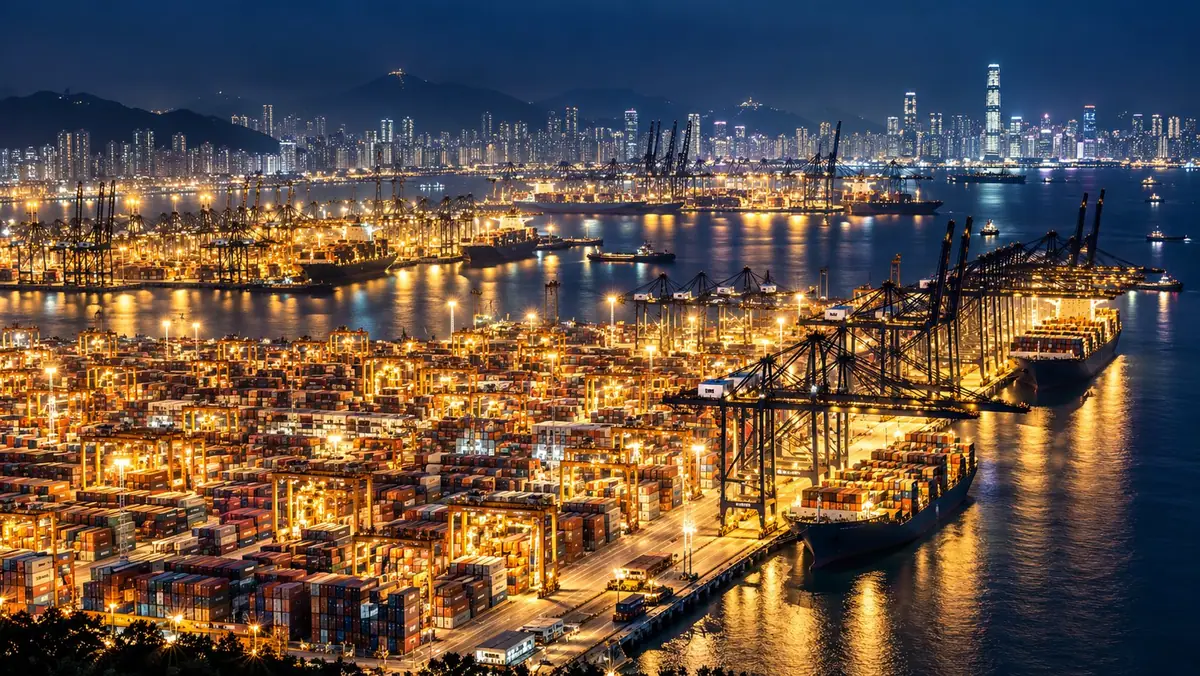
China, Vietnam, Korea and the ASEAN producers set world prices in coated sheet, pipes, tiles, glass, hardware and electrical goods. Capacity is large and prices react quickly to domestic demand, so offers carry short validity. We buy here for buyers in every other region and consolidate when one order combines several suppliers.

Ports

  • Shanghai
  • Ningbo
  • Busan
  • Ho Chi Minh City
  • Port Klang

Products

  • Sheet and coils
  • Glass and aluminium
  • Hardware and fasteners
  • Electrical and lighting
  • Chinese export prices change with domestic demand and export tax policy, so validity is short.
  • Container freight from the Far East swings widely; we quote with the current rate and a firm validity date.
  • Mixed containers from several suppliers are consolidated at the origin port before loading.

Have a specification and a port?

Send us the product, quantity and destination. We will come back with a landed price and the origins worth comparing.

Request a quote