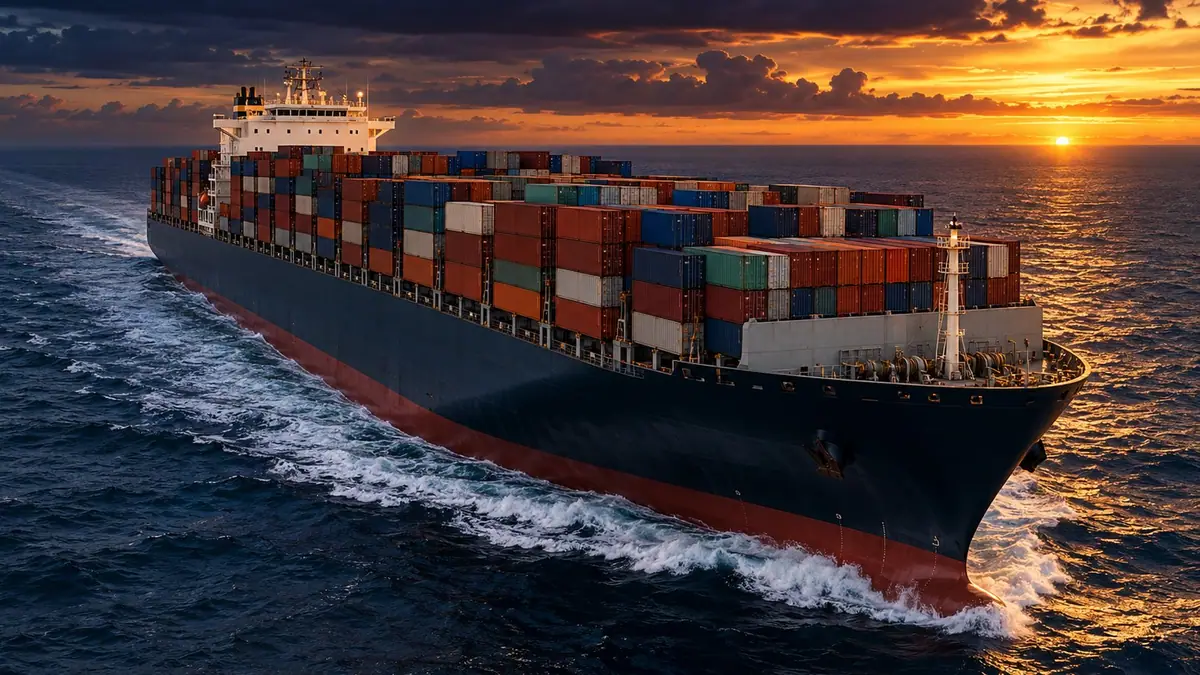
Logistics for the building materials trade

Heavy, bulky and low margin cargo needs careful freight planning. We book, load and move the materials we trade, and the same services are open to buyers who only need shipping for their own cargo.

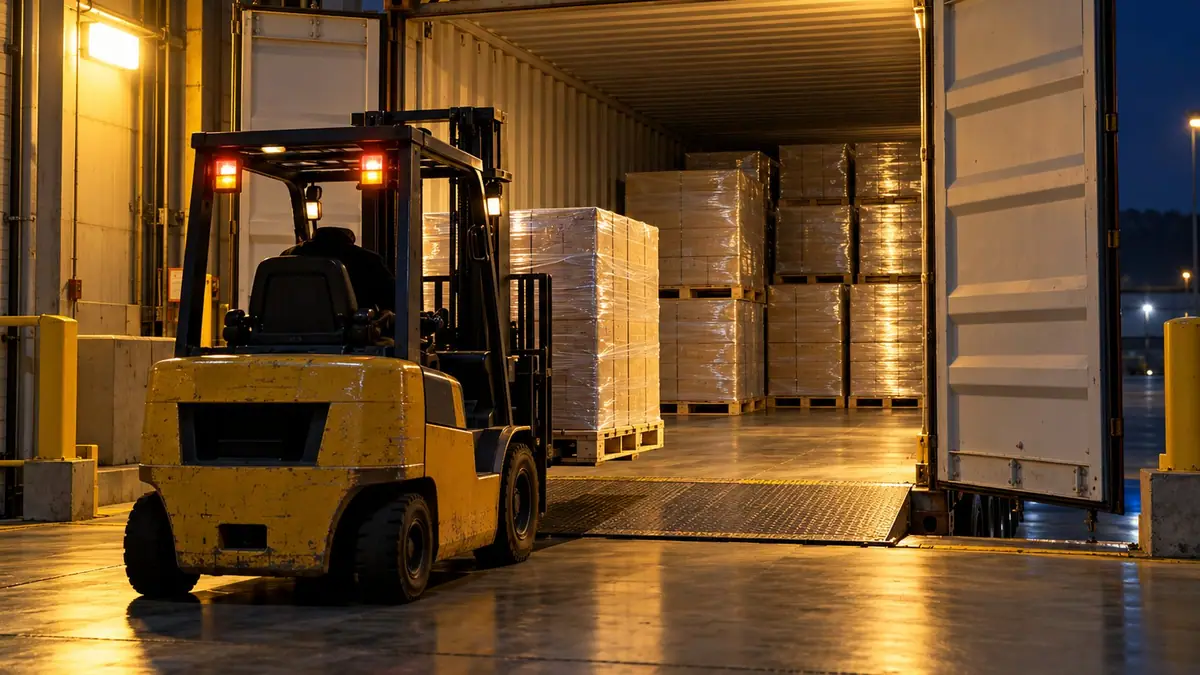
Container freight (FCL and LCL)

Standard, high cube and open top containers for packed materials. LCL for small parties, FCL when weight or volume justifies a full box. Heavy goods such as tiles or cement reach the weight limit long before the volume limit, so we plan the load mix to use both.

  • 20' and 40' dry and high cube boxes
  • Open top and flat rack for long or tall items
  • Weight planning for heavy cargo
  • Container and B/L tracking in the portal

Breakbulk and bulk shipping

Steel products and bulk cement often move cheaper on conventional vessels than in containers. We book part or full cargoes, agree loading and discharge rates with the mill and the receiver, and follow the vessel from loading to discharge.

  • Part and full cargo bookings
  • Rebar, wire rod, coils, beams and plates
  • Bulk cement and clinker
  • Loading and discharge terms agreed in advance

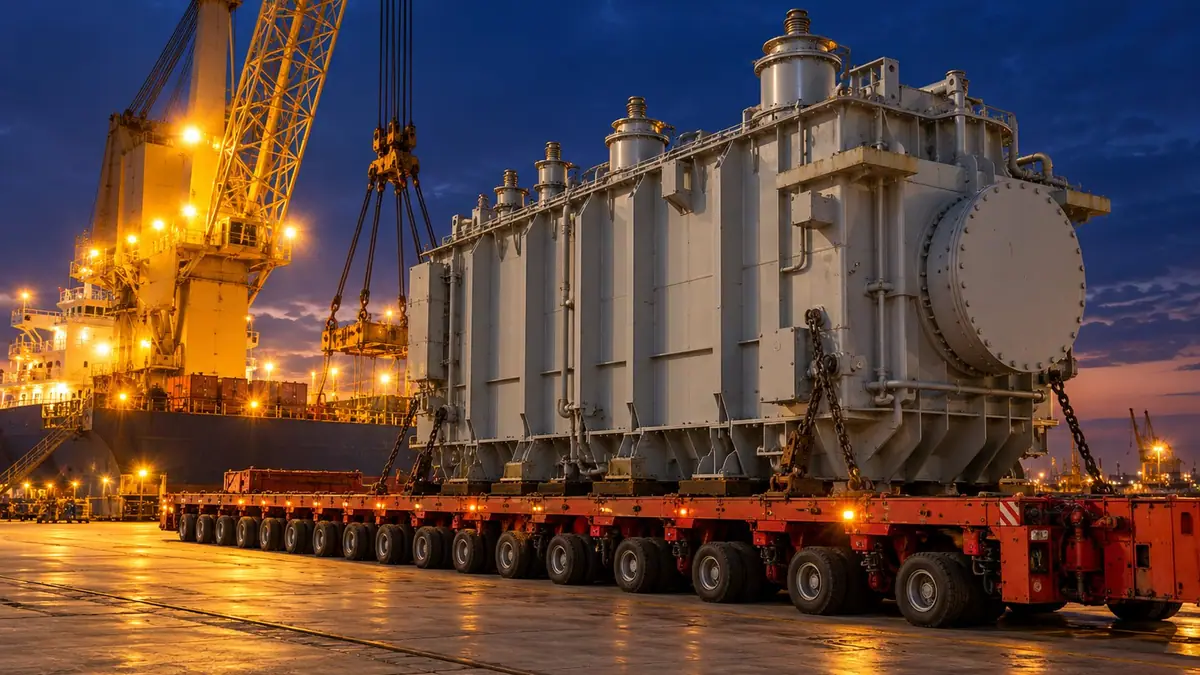
Project cargo

Prefabricated steel, transformers, plant equipment and other heavy or out of gauge pieces need a plan, not just a booking. We survey the route, choose the vessel and the equipment and prepare the lifting and lashing plan.

  • Route and port surveys
  • Heavy lift and out of gauge units
  • Lashing and lifting plans
  • Escorts and permits for road legs

Road freight

Trucks carry materials from mills to loading ports and across land borders to neighbouring markets. For buyers within reach of the road network, door delivery on DAP terms is often the simplest option.

  • Full loads and groupage
  • Mill to port pre-carriage
  • Cross-border delivery to neighbouring markets
  • TIR and transit procedures

Rail freight

For heavy, low value goods over long land distances, rail is often cheaper than road and more predictable. We combine rail legs with sea freight where a port has a good rail connection.

  • Block trains and wagon loads
  • Port and terminal connections
  • Combined rail and sea routes
  • Suited to steel, cement and timber

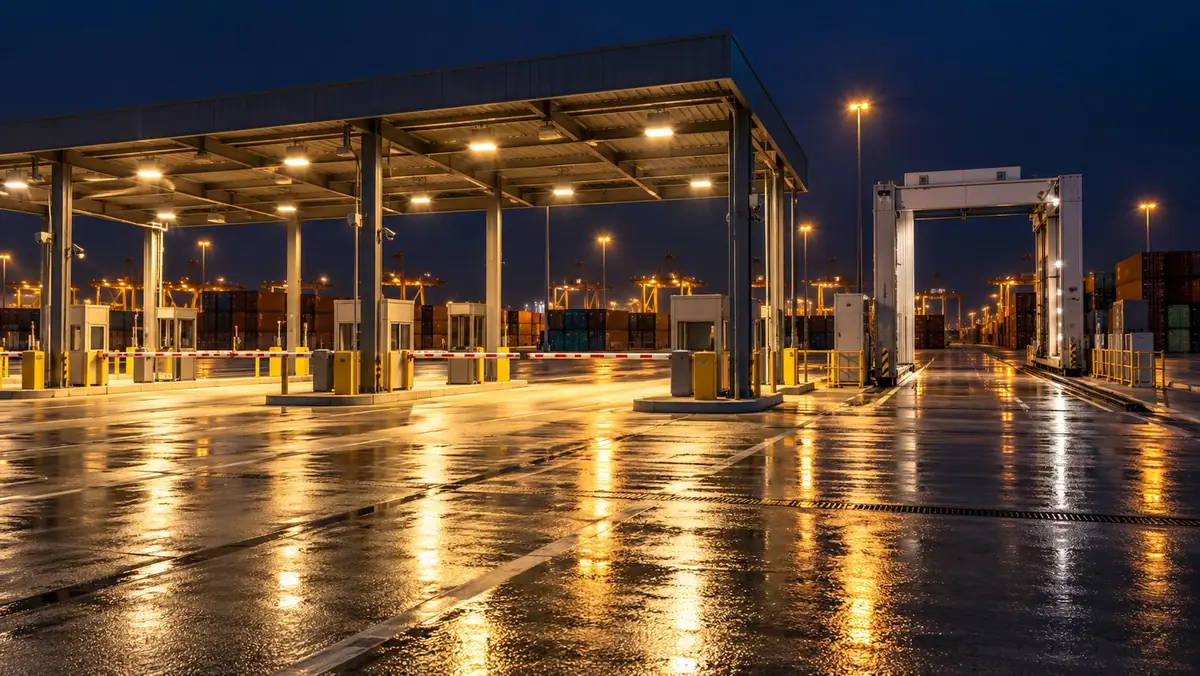
Customs coordination

Export clearance at origin and import clearance at destination are prepared before the goods move. We check HS codes and origin rules with the buyer's broker in advance, so the cargo does not wait at the port.

  • Export declarations at origin
  • HS code and origin checks before shipment
  • Coordination with the buyer's broker
  • Transit and re-export procedures

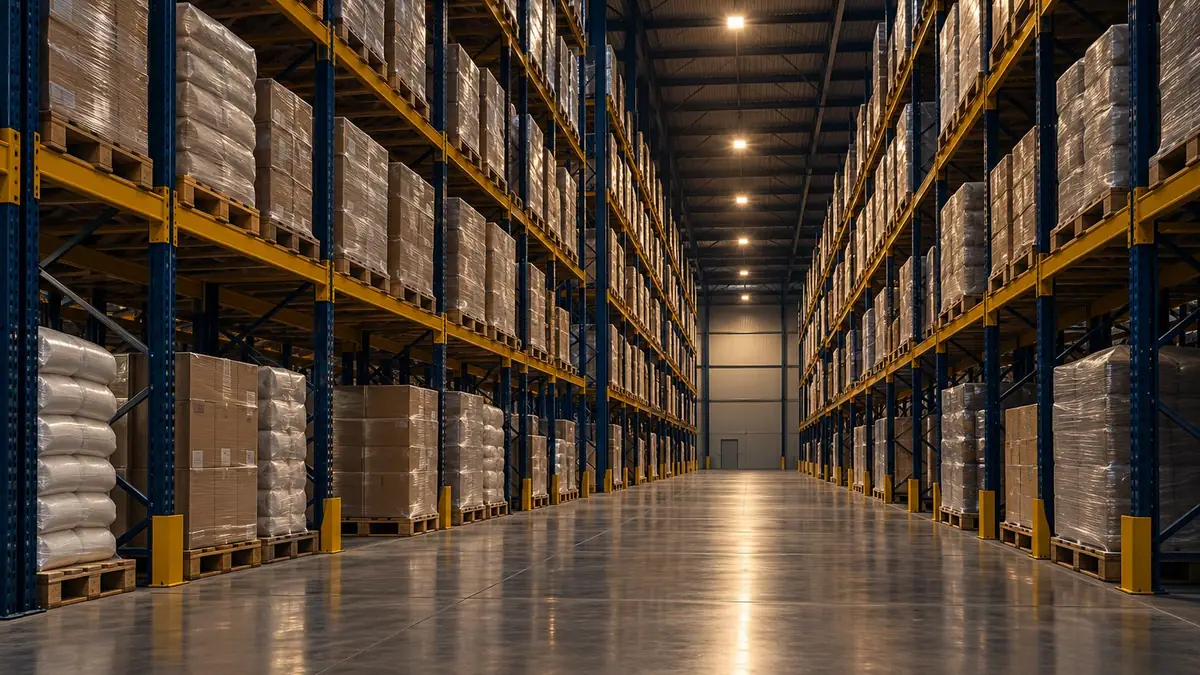
Bonded storage

When a cargo has to wait for a site, a payment or a resale, it can be stored in a bonded warehouse with duties suspended, released in parts or re-exported. We arrange the space with licensed operators.

  • Duty-suspended storage
  • Partial release in smaller lots
  • Re-export without paying import duty
  • Arranged with licensed operators

Consolidation

Smaller buyers often need several products that no single supplier makes. We collect them from different producers at one origin hub and load them together, so the buyer pays freight for one container rather than several part loads.

  • Mixed products in one container
  • Several suppliers, one shipment
  • Loading list and photos per container
  • Lower freight per unit for small orders

Incoterms® 2020

Incoterms we quote

We price on the Incoterms 2020 rule that fits your route, your bank and your own freight arrangements. The term decides where the risk passes and who pays which leg.

EXW
The buyer collects at the producer's premises and handles export clearance and all freight. Practical only for buyers with their own transport nearby.
FCA
Goods are handed to the buyer's carrier at an agreed place, cleared for export. Common for road and rail shipments.
FOB
Goods are loaded on board at the origin port and the buyer books the vessel. Suits buyers with their own freight contracts.
CFR
We pay the freight to your port; risk passes when the goods are loaded. A common term for sea cargo of steel and cement.
CIF
As CFR, plus marine cargo insurance to the destination port, issued in favour of the buyer.
DAP
Delivered to an agreed place in your country, ready for unloading. You handle import clearance and duties.

Shipping documents

Each shipment travels with the documents that the contract, the bank and the destination require. They are uploaded to the portal as soon as they are issued.

  • Commercial invoice
  • Packing list
  • Bill of lading
  • Certificate of origin
  • Mill test report
  • Inspection report

Need freight for your own cargo?

Send the cargo details, the loading point and the destination. We will quote the route and the options.

Ask for a freight quote